Request Request an Appointment Call Call Us Map View Map

What is meant by Oral Cavity?

Everything you should know about Underbite

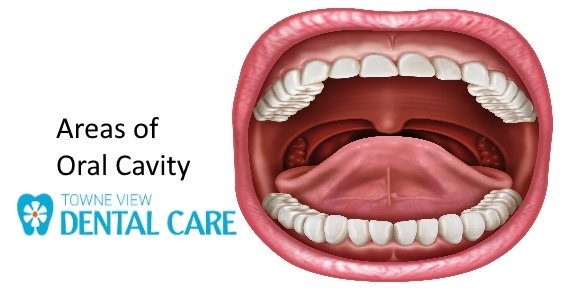
The oral cavity pertains to the mouth, consisting of the lips, the internal lining of the lips and cheeks, the lower and upper gums, the anterior two-thirds of the tongue, the floor of the mouth under the tongue, the little area behind the wisdom teeth, and the bony roof of the mouth. It houses the teeth and tongue and receives salivary gland secretions.

Where is the Oral Cavity located?

The oral cavity is located at the front of the face, below the nasal cavities. It has a side wall, a ceiling, and a floor.

What comprises the Oral Cavity?

There are two distinct sections to the oral fissure: the region between the cheeks, lips, and teeth, often referred to as the oral vestibule. the area in-between teeth, sometimes referred to as the mouth.

What is the function of the Oral Cavity?

The mouth’s main purpose is to start the digestive process. After obtaining the meal, it is next sliced into pieces. The particles are then combined with saliva to start the swallowing process.

How large is the Oral Cavity?

A man’s oral fissure typically holds 71.2 ml of fluid as opposed to a woman’s 55.4 ml.

Why is the Oral Cavity essential?

Effective speech production, breathing, and the ingestion and digestion of food and liquids all depend on the mouth. The bulk of the mouth’s structures, the teeth, crush and shatter food into little pieces to make it easier to digest.

What is the Oral Cavity proper?

The masticatory mucosa (hard palate and gingiva), soft palate, inferior surface, lining mucosa (cheeks, lips, mouth floor, and alveolar mucosal surface), and specialized mucosa all cover the inside of the mouth (back of the tongue).

What is meant by areas of the Oral Cavity?

Regions of the oral cavity are used as codes to specify the kind of dental treatment that was done.

Related Terms:

Have Questions? Contact Us.


    Dental Notation Meaning

    Dental Notation Meaning

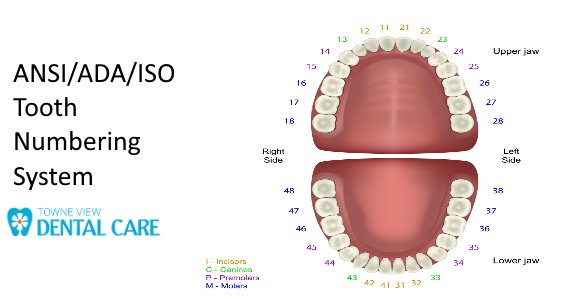
    Dental notation, also known as the ANSI/ADA/ISO Tooth Numbering System, is what dentists use to talk about and write about teeth. It is a way to record the presence and location of teeth in a dentition graphically and link that information to the teeth.

    How Many Dental Notations Are There?

    The FDI world dental federation notation (ANSI/ADA/ISO Tooth Numbering System), the universal numbering system, and the Palmer notation method are the three common dental notations.

    Related Terms:

    Have Questions? Contact Us.


      Anchorage Definition

      What is Anchorage? - Towne View Dental Care

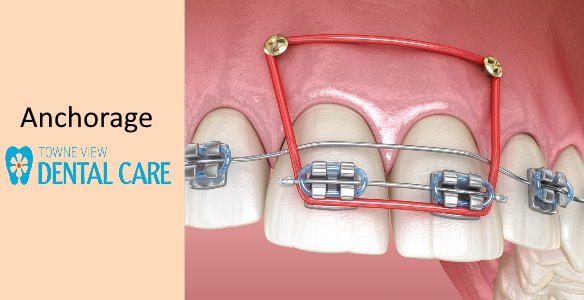
      Anchorage may be used to resist and even overcome the force of a given load. In orthodontics, there are various methods for anchoring teeth, each with its own set of benefits and drawbacks. Orthodontists often use the concept of anchorage when treating malocclusions.

      What Role Does Anchorage Play in Orthodontics?

      Anchorage is used in orthodontic treatment, like as braces, to maximize undesired movement while limiting unwanted movement and managing space. Treatment results decline when anchoring is lost.

      What is an Anchorage Retainer?

      Orthodontics uses anchoring retainers or temporary anchorage devices (TAD) to help shift teeth into the right position.

      Related Terms:

      Have Questions? Contact Us.


        What is the Definition of Amalgam?

        What is the Definition of Amalgam?

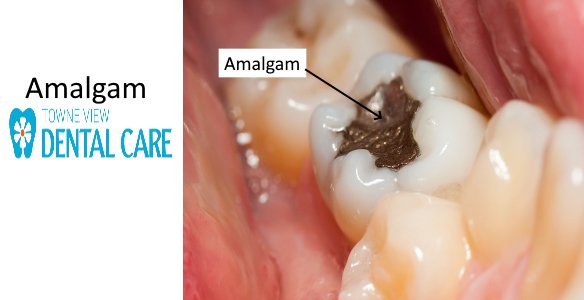
        Tooth deterioration sometimes necessitates the use of amalgam, often known as silver filling, to repair cavities in teeth. Alloy, which may include silver, tin and copper, is mixed with liquid mercury and powdered alloy in amalgams. Because of its flexibility, Dental Amalgam is widely used to restore decayed teeth.

        Is Amalgam Safe in Dentistry?

        The use of amalgam in dentistry is completely safe. The FDA deemed Amalgam fillings safe for children six years of age and older and adults, notwithstanding the dispute about dental amalgam.

        Why is Mercury Used in Amalgam?

        A robust, long-lasting, and firm filler is created by using mercury in Amalgam. Mercury is an essential component of amalgam fillings because of its particular qualities, which make dental restorations more durable. A powdered alloy of tin, copper, and silver makes up the majority of amalgam fillings, with mercury making up 50% of Amalgam.

        Are There Alternatives To Amalgam?

        Alternatives to Amalgam are porcelain, composite resin, glass ionomer, and resin ionomer, and may be used by dentists to repair teeth.

        What is more to Know About Cavities other than Amalgam?

        In addition to Amalgam, cavities may be filled with materials such as porcelain and composite.

        Related Terms:

        Have Questions? Contact Us.


          Anterior Teeth

          Anterior Teeth

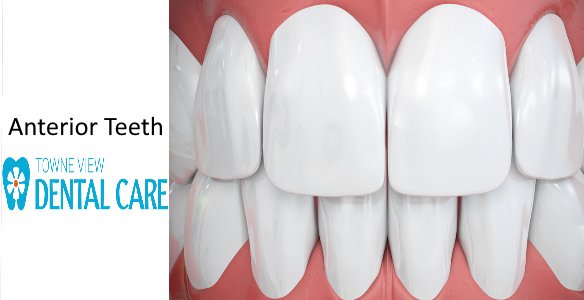
          The twelve teeth on the front of the mouth are referred to as anterior teeth. These teeth are also known as the “front teeth. These teeth include the lateral incisors, as well as the maxillary, mandibular, and cuspid incisors. The most important function of the anterior teeth is cutting and shredding food into small bits.

          What is the Anterior Side of Teeth?

          The front side of your teeth is your anterior teeth. When you talk or smile, your anterior teeth stand out the most.

          How many Anterior Teeth are in a Permanent Dentition?

          There are 12 teeth in the permanent dentition at the front of the mouth. The maxillary and mandibular central incisors, as well as the canines (cuspids) and lateral incisors, are all part of the anterior teeth.

          Related Terms:

          Have Questions? Contact Us.


            What is a Dental Adjunctive Procedure?

            What is a Dental Adjunctive Procedure?

            A dental adjunctive procedure is a treatment that is done before, during, or after a dental procedure to make sure it goes well. It is also called a supplementary, additional, or subsidiary dental procedure.

            Who needs an Adjunctive dental procedure?

            For some people, an extra procedure may be needed to make sure that there is enough healthy bone around the implant. It also refers to supplementary orthodontic services.

            What are the different types of Adjunctive procedures for dental implants?

            The different types of procedures that go along with dental implants are:
            • Crown Lengthening
            • Gum Grafting
            • Bone Grafting

            What is Adjunctive orthodontic services?

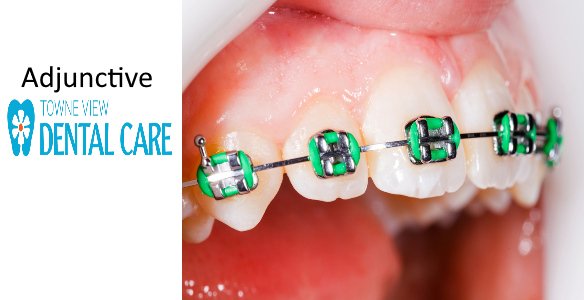
            “Adjunctive orthodontic services” are extra orthodontic procedures that are often done at the same time as other necessary dental services. The main goal of supplementary orthodontics is to improve the dental health of the patient.

            What are the different types of Adjunctive orthodontic services?

            Well-known ancillary orthodontic services are palatal expanders, elastics, and retainers.

            What are the perks of Adjunctive dental procedures?

            Ancillary dental procedures help keep your mouth healthy by stopping cavities and pockets from forming in your gums. Also, it can improve the way your teeth look by making them more evenly spaced and making your smile brighter. The perks of adjunctive dental procedures include the following:
            • Enhanced dental health
            • Improved tooth position
            • Teeth that are straight and spaced out well
            • Aesthetic enhancements

            Related Terms:

            Have Questions? Contact Us.


              Bicuspid Tooth Definition

              Bicuspid Tooth Definition

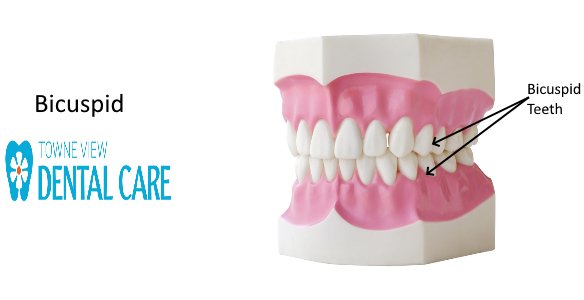
              Bicuspids are permanent teeth located between the canine teeth (cuspids) in the front and the molars in the rear of the mouth. Bicuspid teeth are also known as premolar teeth since they are located in the mouth before the molars. Bicuspid teeth have two points or cusps on the crown; the prefix “bi” indicates that there are two of these points. Bicuspid teeth are those that have two points or cusps on the root.

              Are Bicuspids Permanent Teeth?

              Yes. Bicuspids are permanent teeth that might develop between your molars in the back and your canine teeth in the front of your mouth. The teeth that make place for bicuspids usually fall out between the ages of 12 and 13, which is considered a reasonable time frame for the eruption of bicuspids.

              Why Do We Have Bicuspid Teeth?

              People with bicuspid teeth may consume almost any kind of food since they have a wider surface area for biting and chewing. These teeth are crucial in the mouth because they work with the canines and molars.

              Does Everyone Have Bicuspid Teeth?

              Yes. Every individual has a set of bicuspid teeth. Sealants are often applied to a person’s teeth throughout their early teenage years to reduce the risk of tooth decay by up to 80%. This preventative treatment is routinely advised by dentists. Patients are first administered sealants while they are in their early teens.

              Related Terms:

              Have Questions? Contact Us.


                What is the Definition of Acid Etching?

                What is the Definition of Acid Etching?

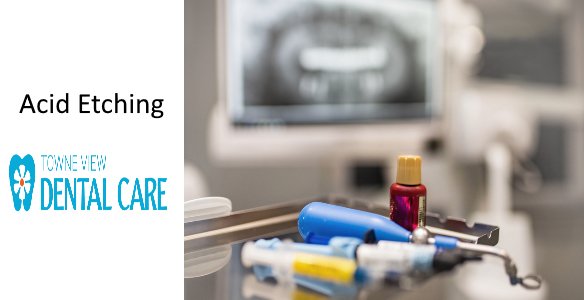
                Acid etching prepares the tooth enamel for the application of an adhesive by using an acidic solution. The acid roughens the surface at the microscopic level, enhancing the adhesion of any form of repair to the enamel or dentin. By etching the tooth enamel with an acid, the smear layer is removed and the enamel tubes are opened.

                What does acid etching do to a tooth?

                Acid etching roughens the enamel of a tooth in order to prepare it for the application of adhesive. Acid etching is the technique of utilizing an acidic material to microscopically roughen the surface of the enamel, which aids in the retention of resin sealant.

                Does acid etching damage teeth?

                The acid etching does not harm the teeth, but the tooth surface causes demineralization of the enamel. This can enhance the porosity of the tooth, resulting in greater water deposition on the tooth surface.

                What are the different acid etching techniques?

                Total acid etching

                Total acid etching is an acid etching technique that is best employed when a substantial volume of bonding material is being placed or when retention may be a concern. This sort of etching provides a more firm bond, making it the optimal procedure if the tooth preparation is not deep or close to the nerve (dental pulp).

                Selective etching

                Selective etching is a procedure that applies phosphoric acid just to the enamel of the tooth. This is helpful for people who have sensitivity in the deep parts of the tooth, and it helps to reduce post-operative sensitivity.

                Self-adhesive

                The self-adhesive is a universal adhesive that combines acid etching and bonding components in a single phase and is coated onto the tooth. This procedure is appropriate for a tooth that a dental practitioner anticipates will readily hold its new replacement.

                What kind of acid is used for etching teeth?

                Phosphoric acid is the type of acid used to etch teeth. The most typical percentage is 35%, however formulas can range from 30% to 50%. These etchants are often in gel form so that they do not run when applied to the tooth’s surface.

                How long does acid etching take?

                The acid etching process normally takes a few seconds to a minute. Enamel and dentin are typically etched, which takes approximately 15 to 30 seconds. It is critical to rinse it for 15 seconds to eliminate the phosphoric acid residue and smear layer.

                What dental procedures require Acid Etching?

                Some of the dental procedures that necessitate acid etching are: Dental Bonding Dental Veneers Dental Crowns.

                Related Terms:

                Have Questions? Contact Us.